Capra, Riskin and the Power of the Two
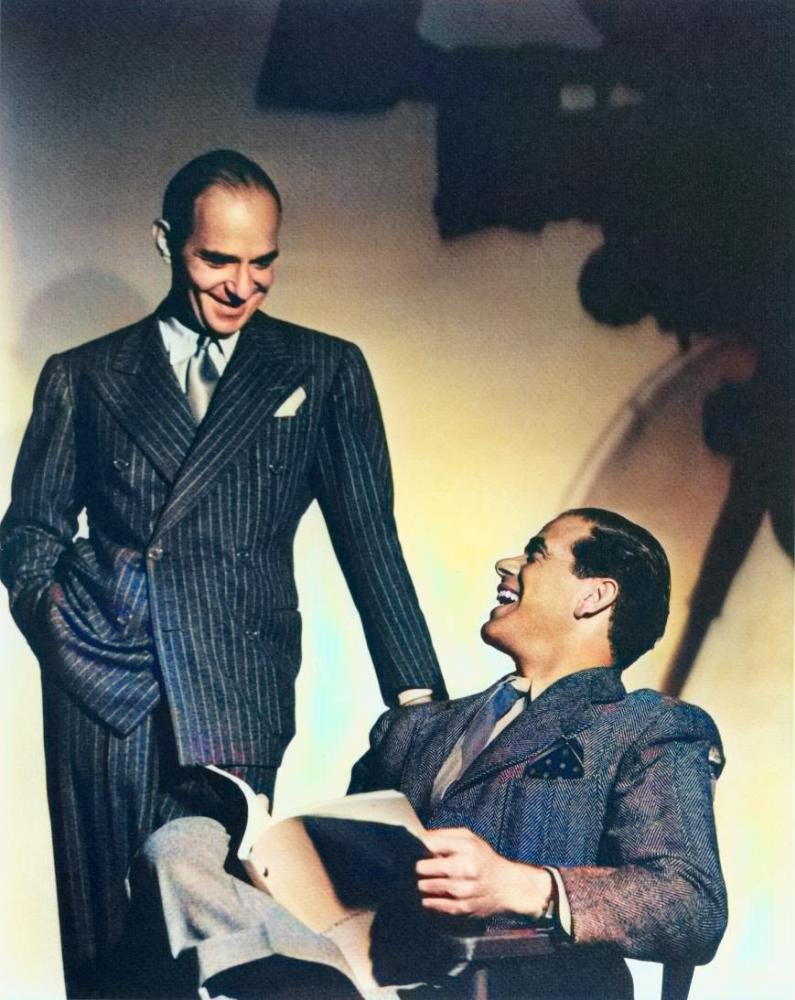
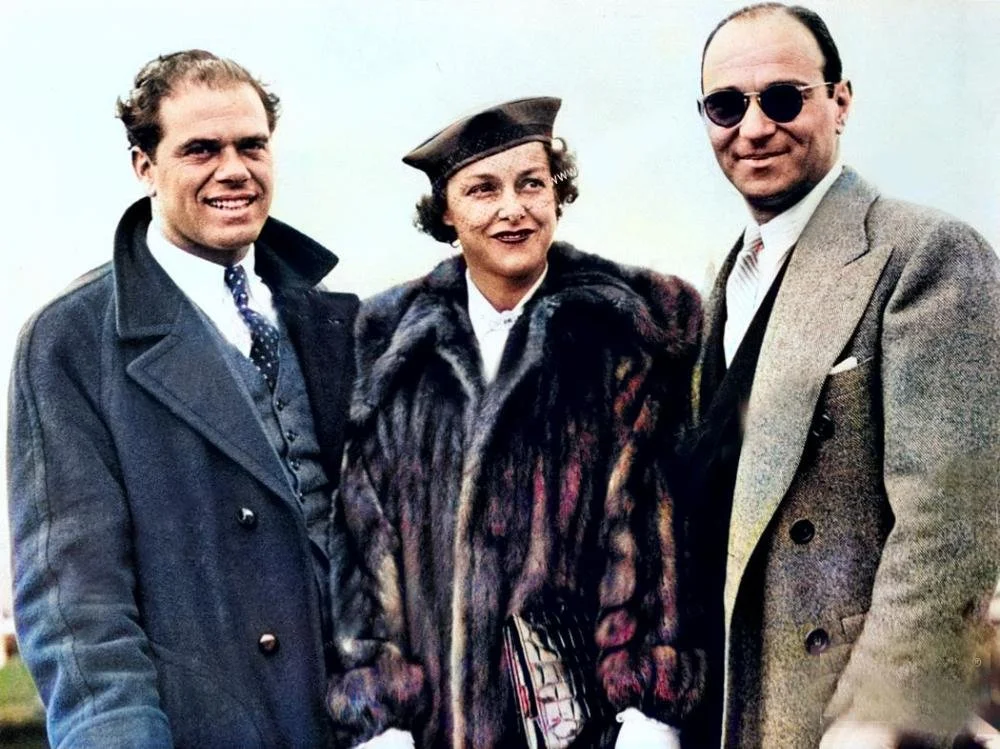
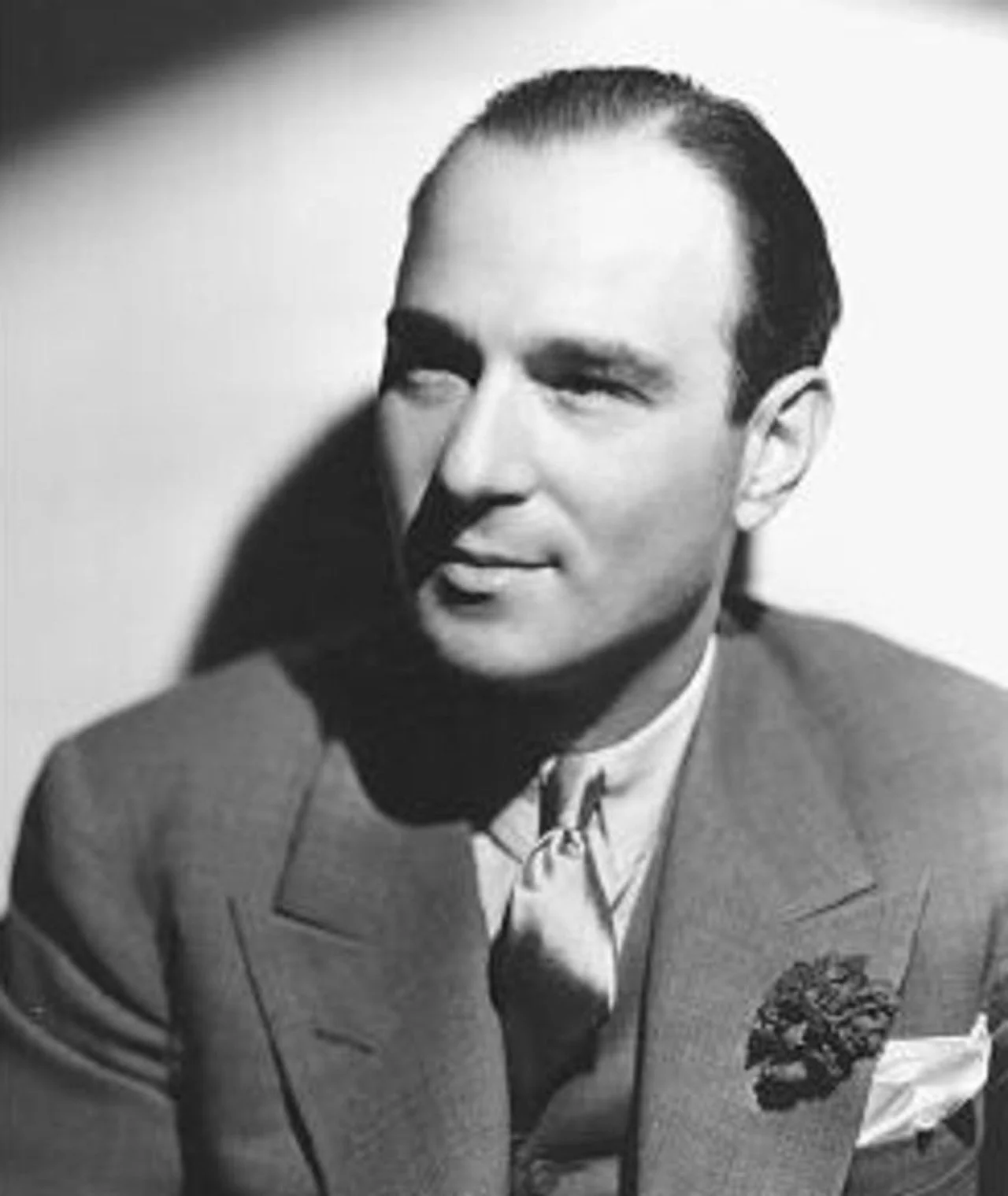
We saw "It Happened One Night" a couple of nights ago, and as the credits passed, I told the girls the film's writer was my friend Steve's great-uncle, Robert Riskin. Everett Riskin, my friends' grandfather, was also a Hollywood producer of repute. Talented family.
Almost all of the great Frank Capra films, of which "It Happened One Night' is just one, were created by the star-glazed team of Capra and Riskin. But their story is also one that ends in bitter discord—a little bit like Lennon and McCartney - profoundly gifted by themselves, gobsmackingly brilliant together.
Robert Riskin had a way with words and a particularly great way with Capra's words. From what I've gleaned, the original story ideas were Capra's. He formed them in his head from the essential plotline to the vivid characters and the ultimate moral of the fable. But Riskin blew up Capra's outlines into full-fledged pieces of genius. With his sympathetic understanding of human nature, and his ability to put it on paper, Riskin could say what Capra wanted said but could not write for himself. It was a symbiotic relationship and a close partnership.
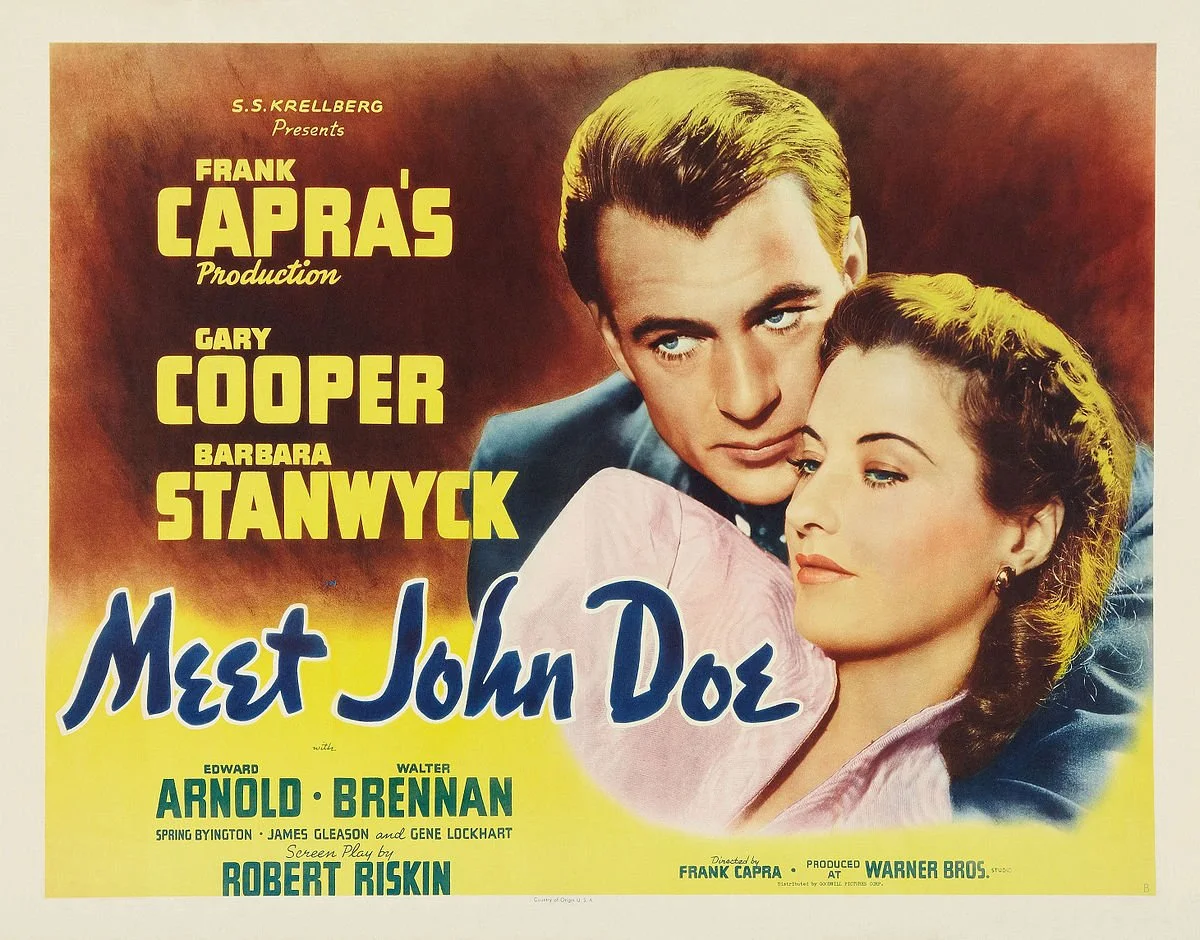
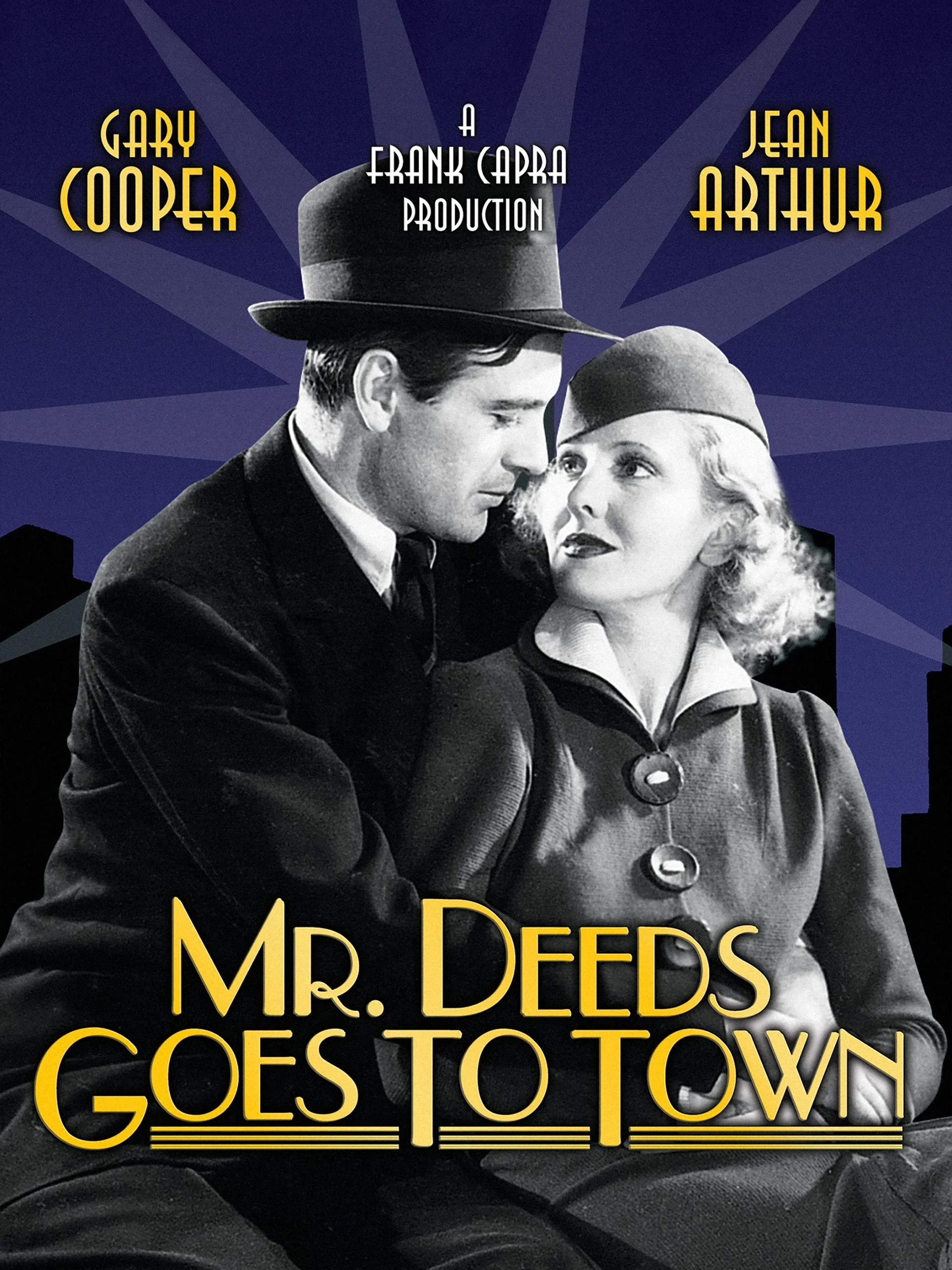
Meet John Doe, Platinum Blonde, Mr. Deeds Goes to Town, You Can't Take It with You, and their first success, "It Happened One Night," among many others, were all collaborations by the two. Some attribute their split to have been over politics – Riskin was a vocal liberal, Capra a committed conservative. It's hard to remember that while the divide between liberal and conservative was contentious before WWII, it did not compare to today's chasm. Liberals and conservatives worked together; many were close friends in old Hollywood.
Plus, the combination of their two different ideologies made those Capra-Riskin films what they are – cinematic soul food. Take Capra's ideals - love of an independent hero, traditional family values, distrust of government, and the battle of the little man against the big machine. Then filter it through Riskin's social idealism, common-man touch, screwball sense comedy, and his belief in the essential goodness of humans. You end up with the template for all the brilliant films they made together.
Capra and Riskin also shared a love of America and a belief in "pulling yourself up by your bootstraps." You can see it in their films.
What ultimately destroyed their collaboration was the great enemy of all art - ego. Before their most significant success, each man only wanted to talk about the other, rich in praise, like new lovers. But after winning his first Oscar, Capra's innate insecurity kicked in. He began to take all the credit for his films, including Riskin's scripts. Riskin was stung and felt Capra got all the credit for work that was mostly his. That's the stale story behind the messy collapses of many great partnerships.
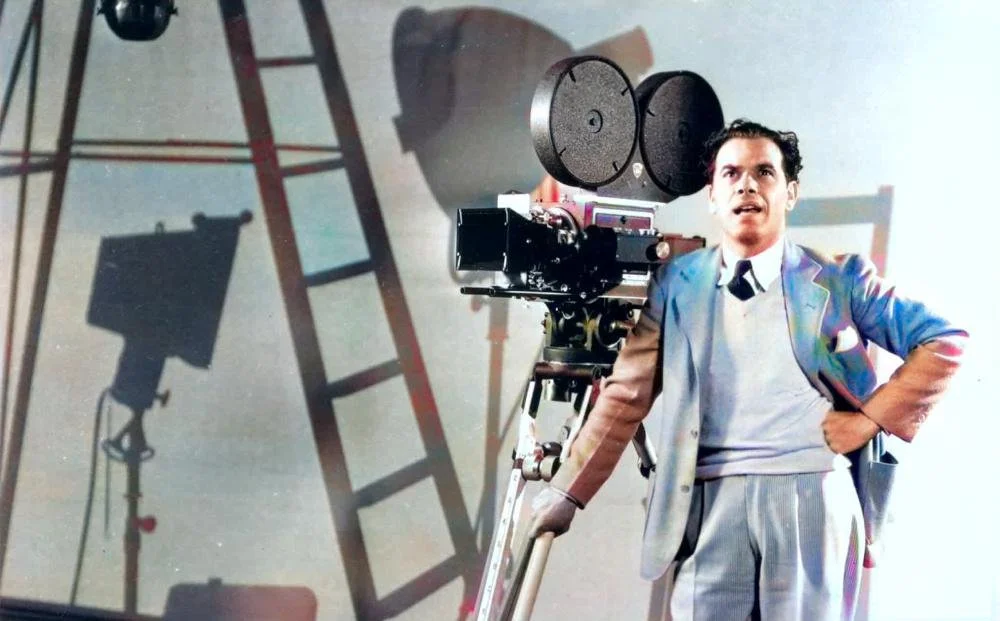
Capra was also a big believer in improvisation. He would come to the set with the master scene, which he used primarily as a roadmap as the actors worked out the actual "script." The filmed scene would resemble the written one but was different.
It's easy to miss Capra's genius as a filmmaker because it’s leveraged by his uncluttered style. There is an almost manic chaos at the heart of most Capra scenes, which Riskin writes that way. Yet they somehow go where they have to go, and they make sense. They move so fast that you could easily miss a lot. That dialogue is Riskin. The camera shots get shorter as the chaos escalates in the film, pushing steeply to the climax at the top of the scene's cliff. That visual element makes it all pay off. That's Capra.
Riskin directed one film and wrote a couple, but none neared the heights he and Capra had climbed together. They lacked the magic that Capra brought to his movies. On the other hand, Capra went on to make "Mr. Smith Goes to Washington" without his wordsmith. He also created what is widely considered his masterpiece – "It's a Wonderful Life."
Their breakup was hard. I don't think they ever spoke with each other again after that final rupture. Sadly, Capra didn't even visit Riskin during his five-year battle with terminal cancer.
Always a warm and generous spirit, Riskin refused to fault him, calling him Capra's best friend. Just like Capra would have imagined and Riskin would have written it.