Conflict at Appamatox
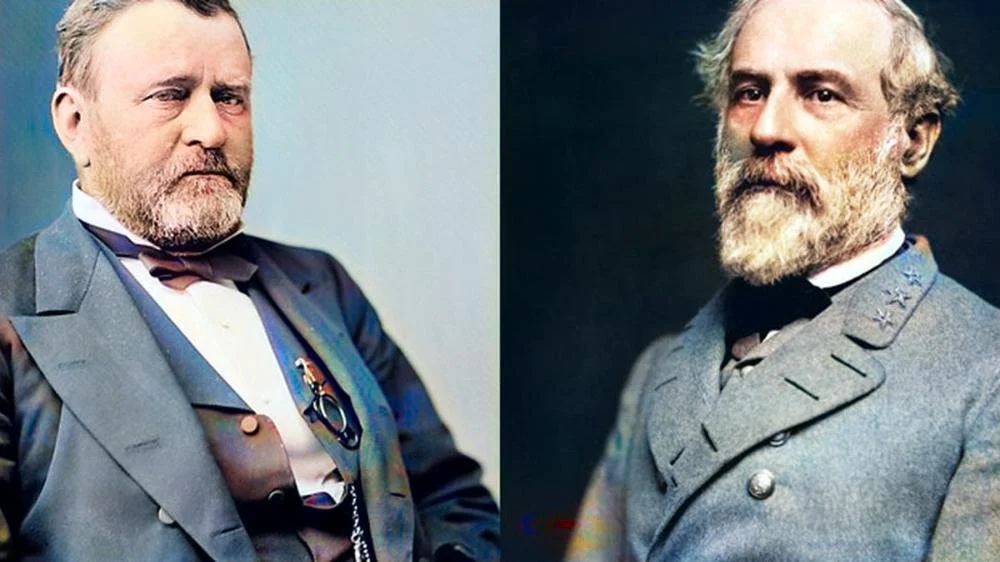
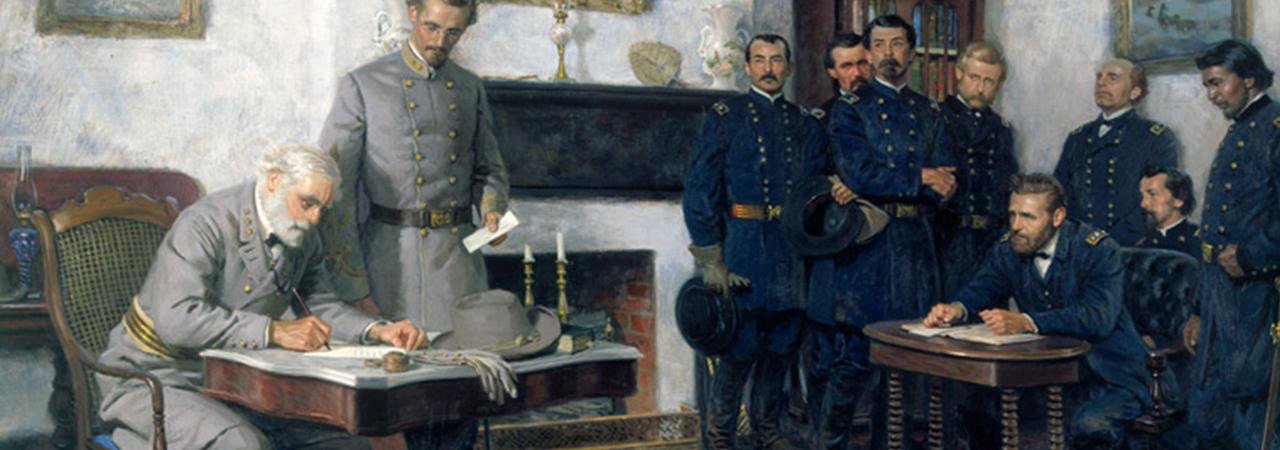
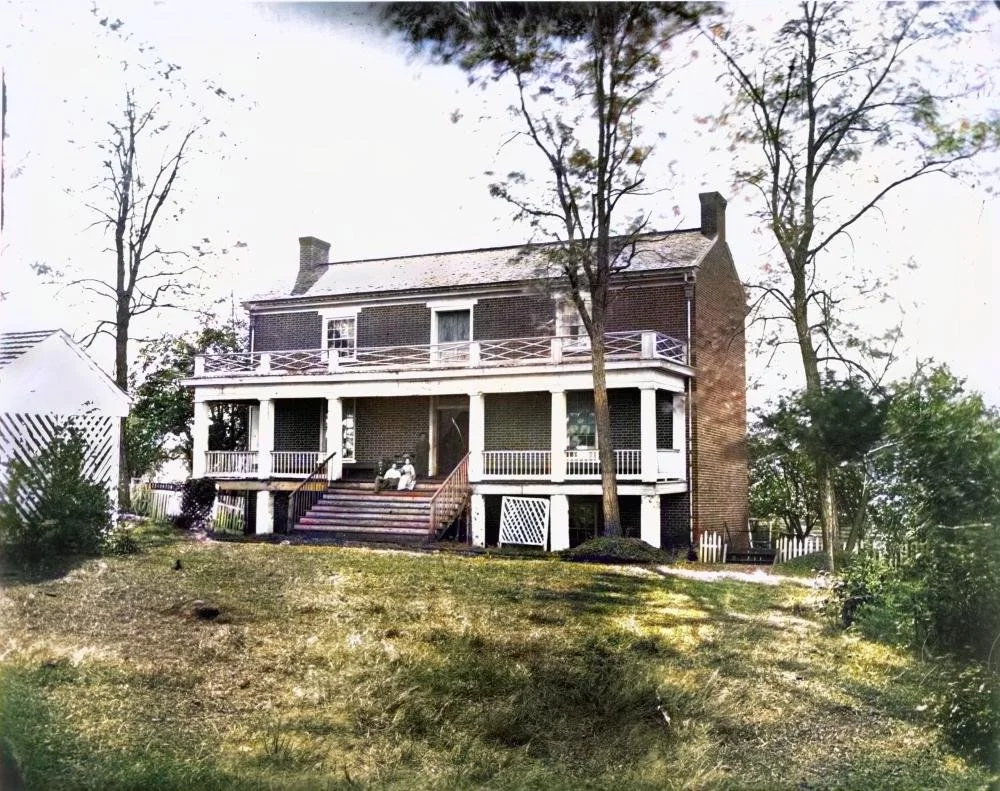
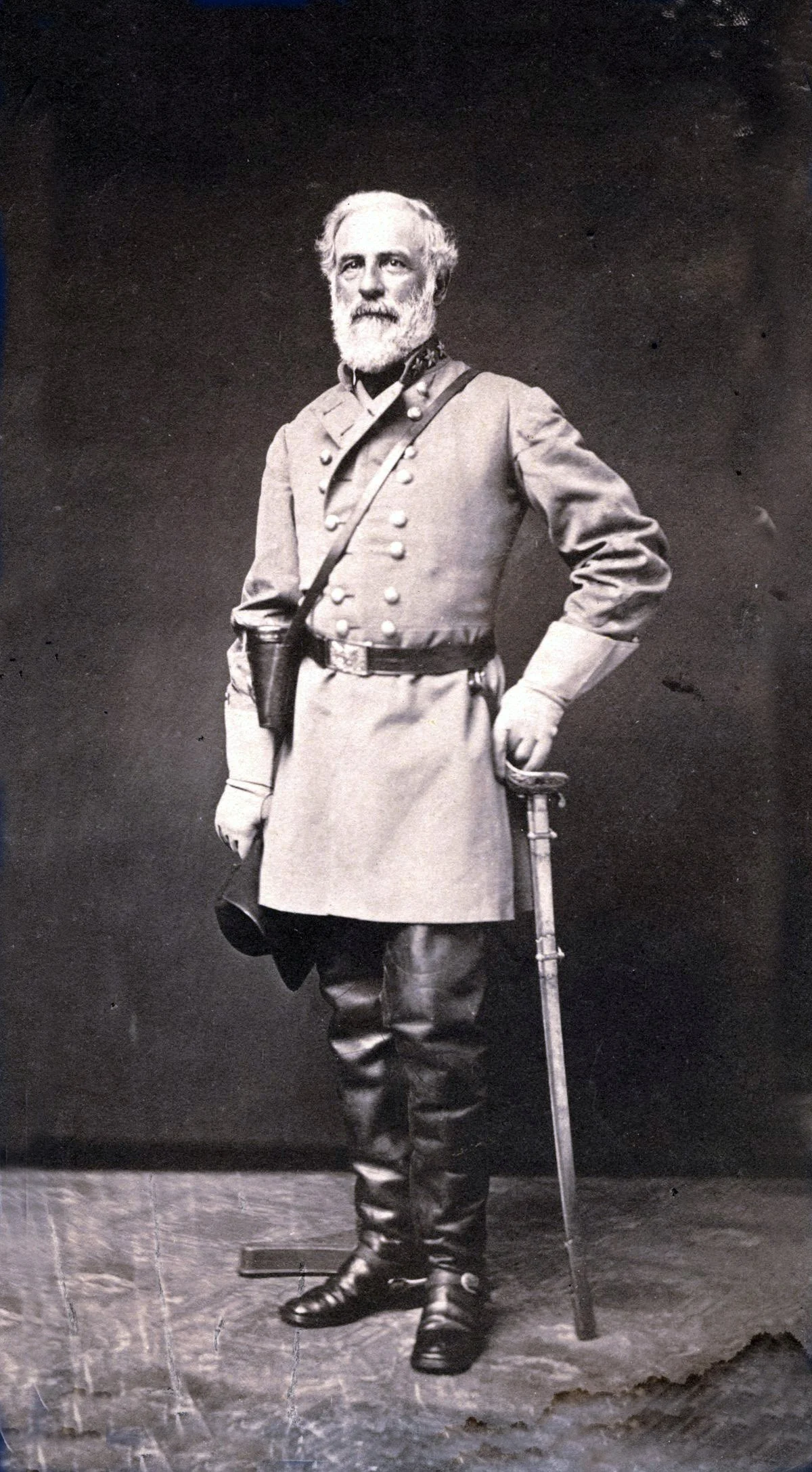
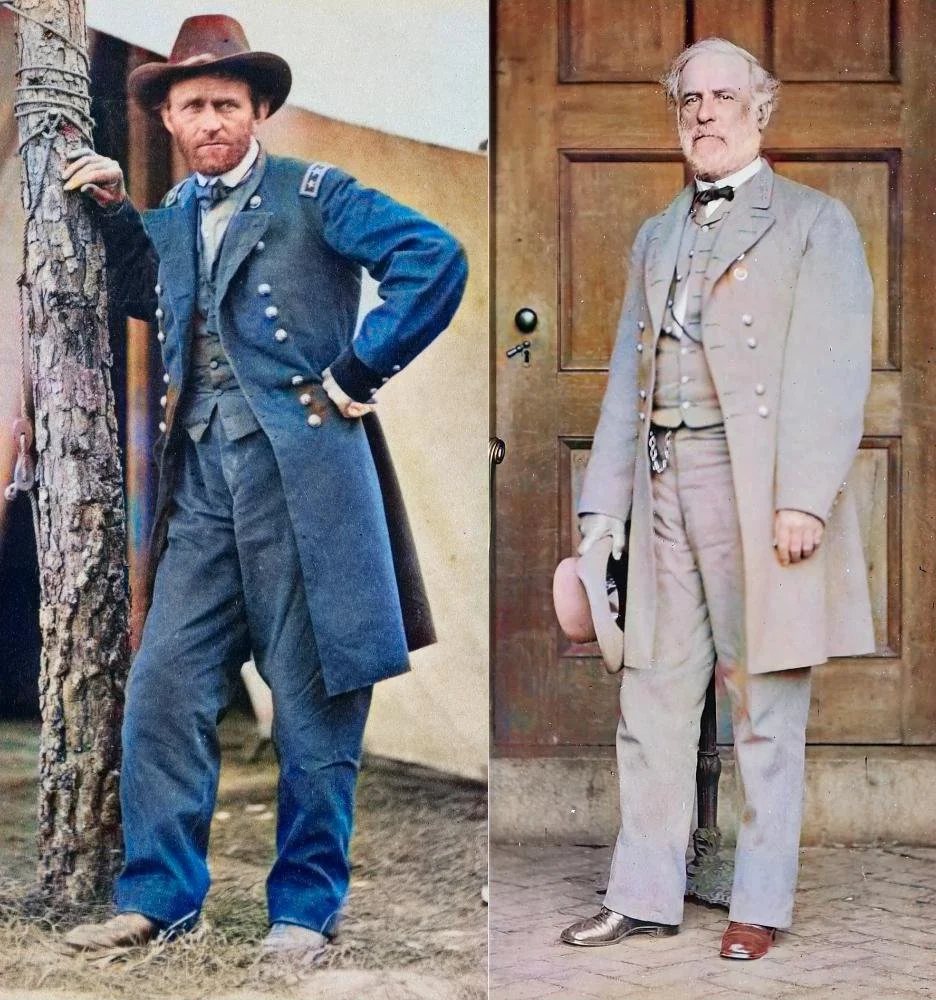
On April 9, 1865, Gen. Robert E. Lee rode up to Appomattox Courthouse with a small contingent of men. Waiting for them there was Gen. Ulysses S. Grant. Though they had been in the "old army" together, Lee didn’t know what Grant looked like, nor did he have any clue about his demeanor. They were from different socioeconomic backgrounds in a time when class counted. Grant recognized Lee immediately.
With his troops surrounded, resources depleted, and no sensible way forward, Lee realized he must sue for peace. In response to his inquiry on the topic, Grant assured him the terms were straightforward - the South must lay down its arms.
There are no pictures of Grant and Lee at Appomattox. Some argue that it was the most crucial moment in post-Revolutionary American history. Perhaps that's just as it should be because it allows the moment to live in our imaginations.
I lived in the South and loved its complexity and simplicity. I found it ironic in some ways that among the most reviled Yankees was Gen. Tecumseh Sherman, who brought the fire of hell as the scorcher of the earth in his pursuit of peace. Sherman also loved the South; he just hated slavery much more.
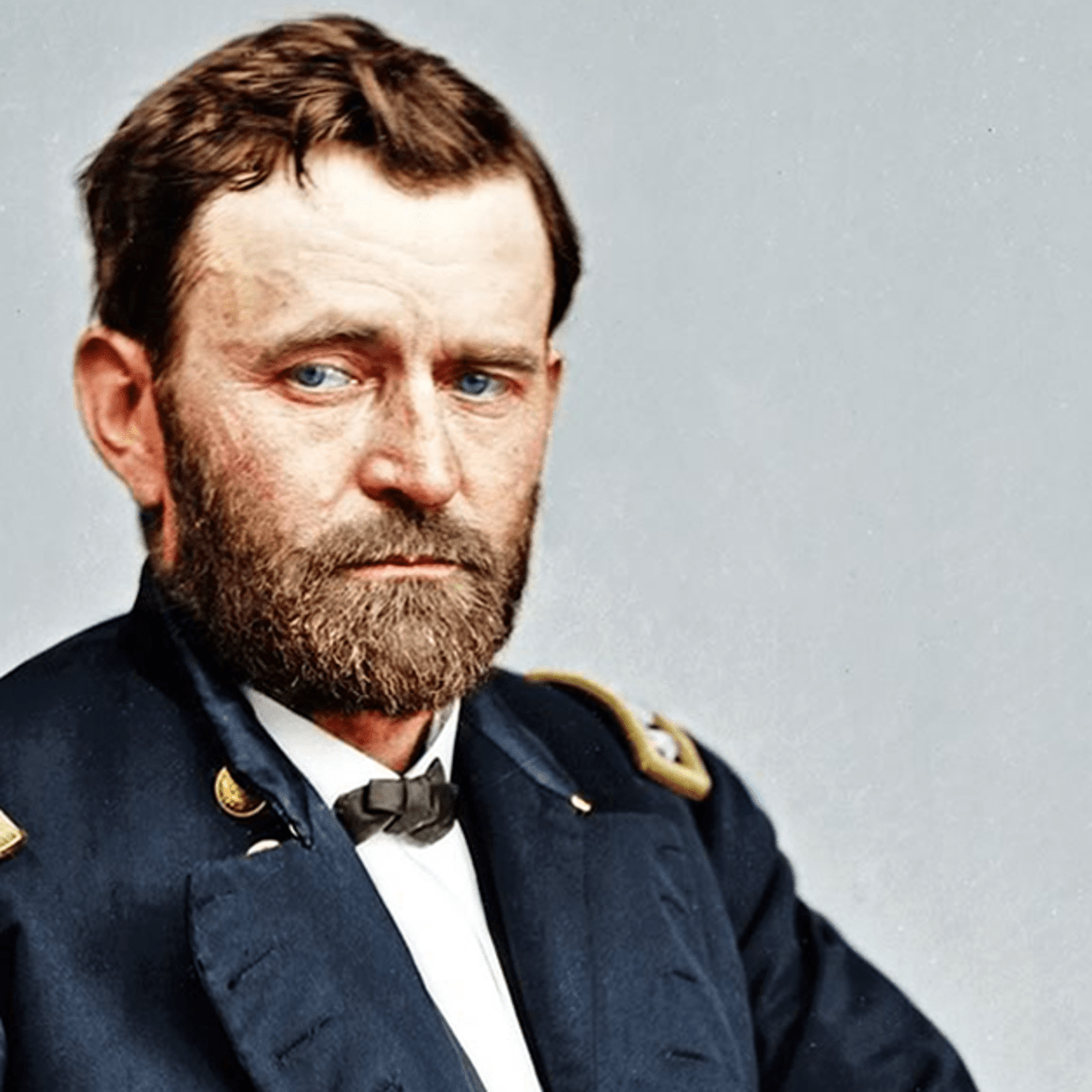
But it is U.S. Grant who best exemplified the bitter internal divide of many who commanded the waging of that war between brothers. Grant had great respect for the bravery and dedication of the Southern soldiers. Still, like Sherman, he hated slavery much more.
"I felt like anything rather than rejoicing at the downfall of a foe who had fought so long and valiantly," he wrote, "and had suffered so much for a cause, though that cause was, I believe, one of the worst for which a people ever fought, and one for which there was the least excuse."