The Shot Heard Around the World
In honor of the 4th of July, here’s a piece I wrote a few years ago for April 20th, another important date in American history.
Fired 245 years ago was the “shot heard around the world”.
Tired of a distant, overreaching government who’s onerous and oppressive taxes and control they blamed for infringing on their rights, colonists in the British Americas took matters in their own hands.
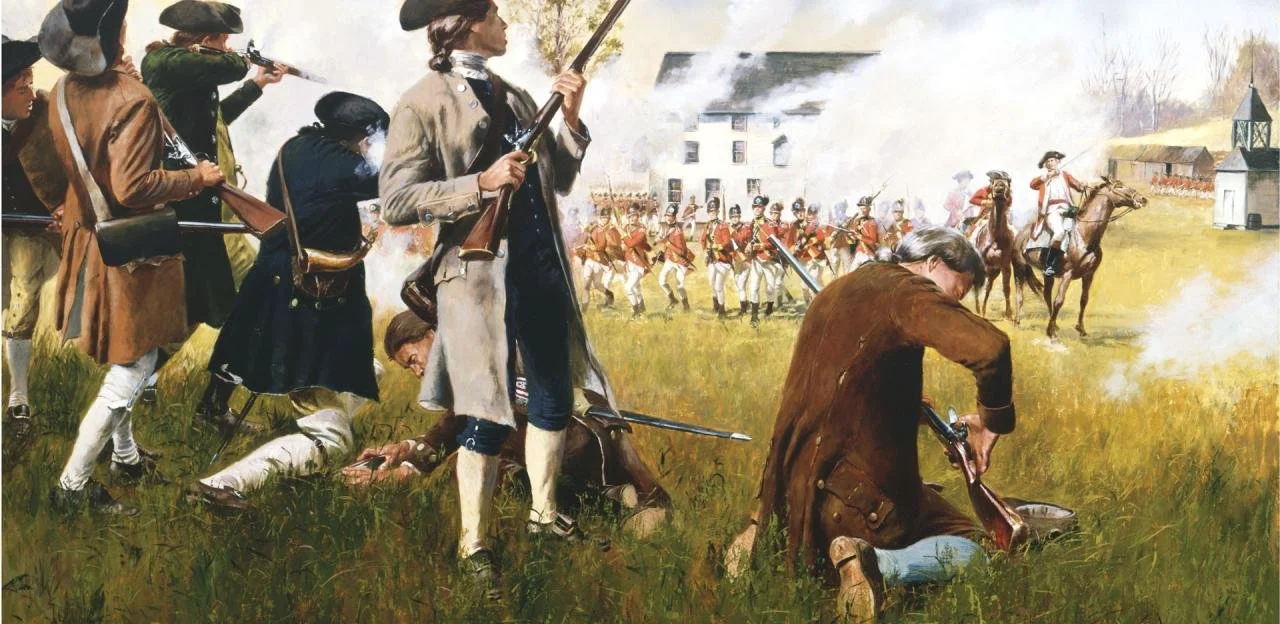
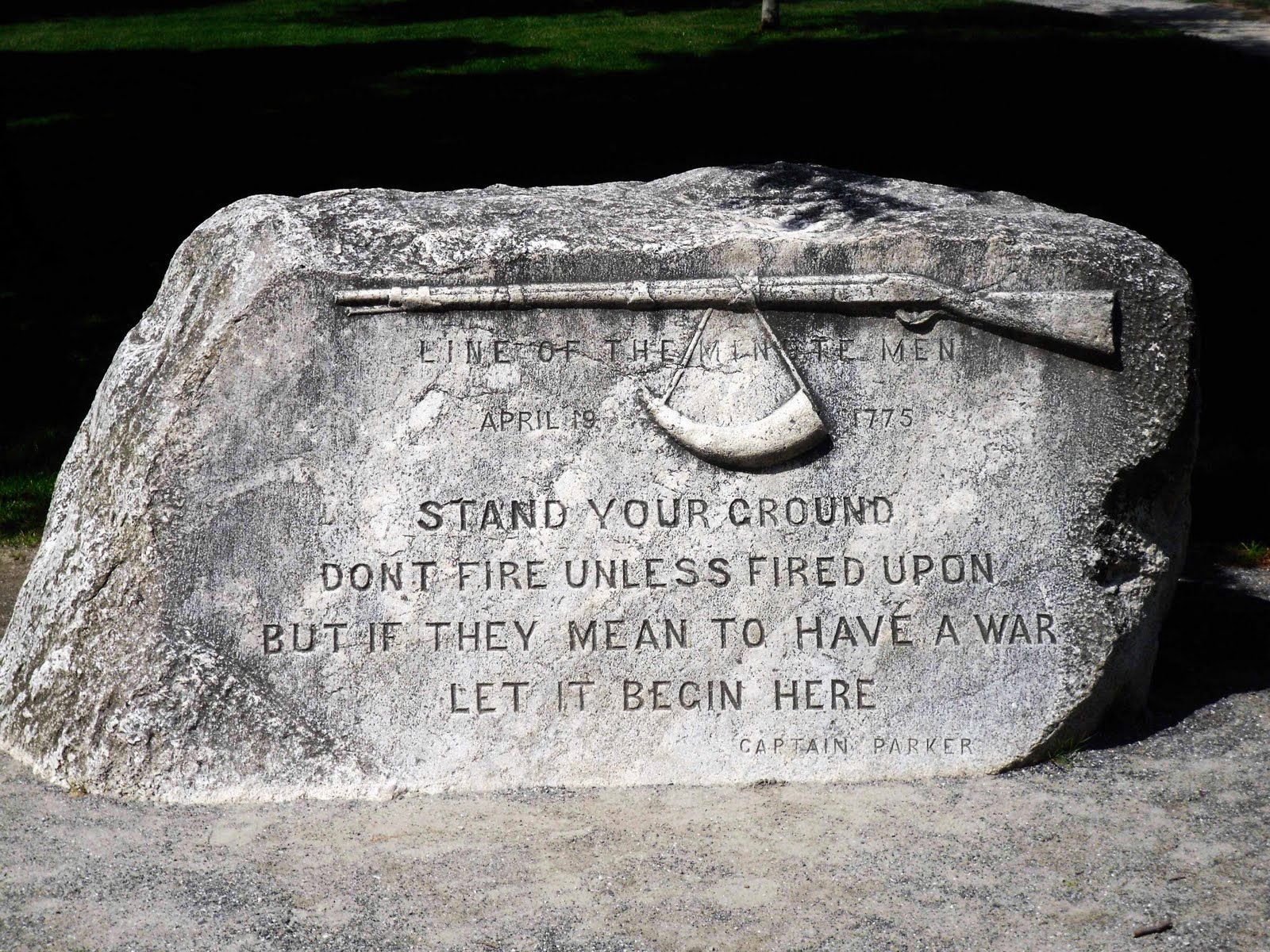
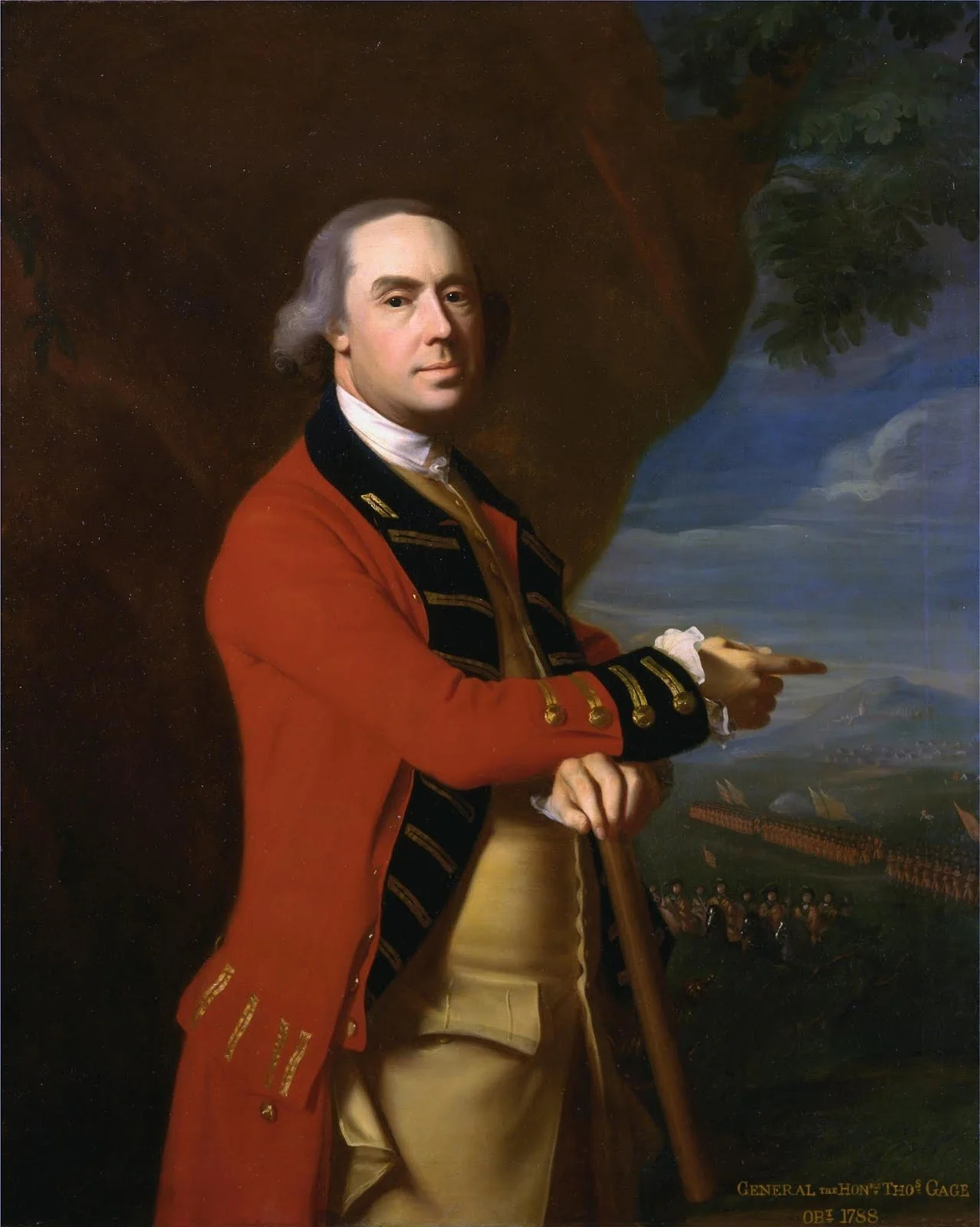
Intent on a show of power, as the colonists grew restless and rebellion seemed imminent, British Gen. Thomas Gage led a large force to Concord, MA, to seize weapons and powder being stored there. He hoped by doing so to avert violence. Unexpectedly for him, he was met en route, around 5 AM, at the small town of Lexington in Massachusetts by a small band of militiamen, and that famous shot was fired.
The British troops fired a volley that killed 8 of the small group led by Capt. John Parker. The colonists fled. Gage was certain he’d dealt decisively with the small force, given them a taste of British supremacy, and he moved on. Once confronted with the greatest army in the world these farmers would think twice about doing it again. But he miscalculated.
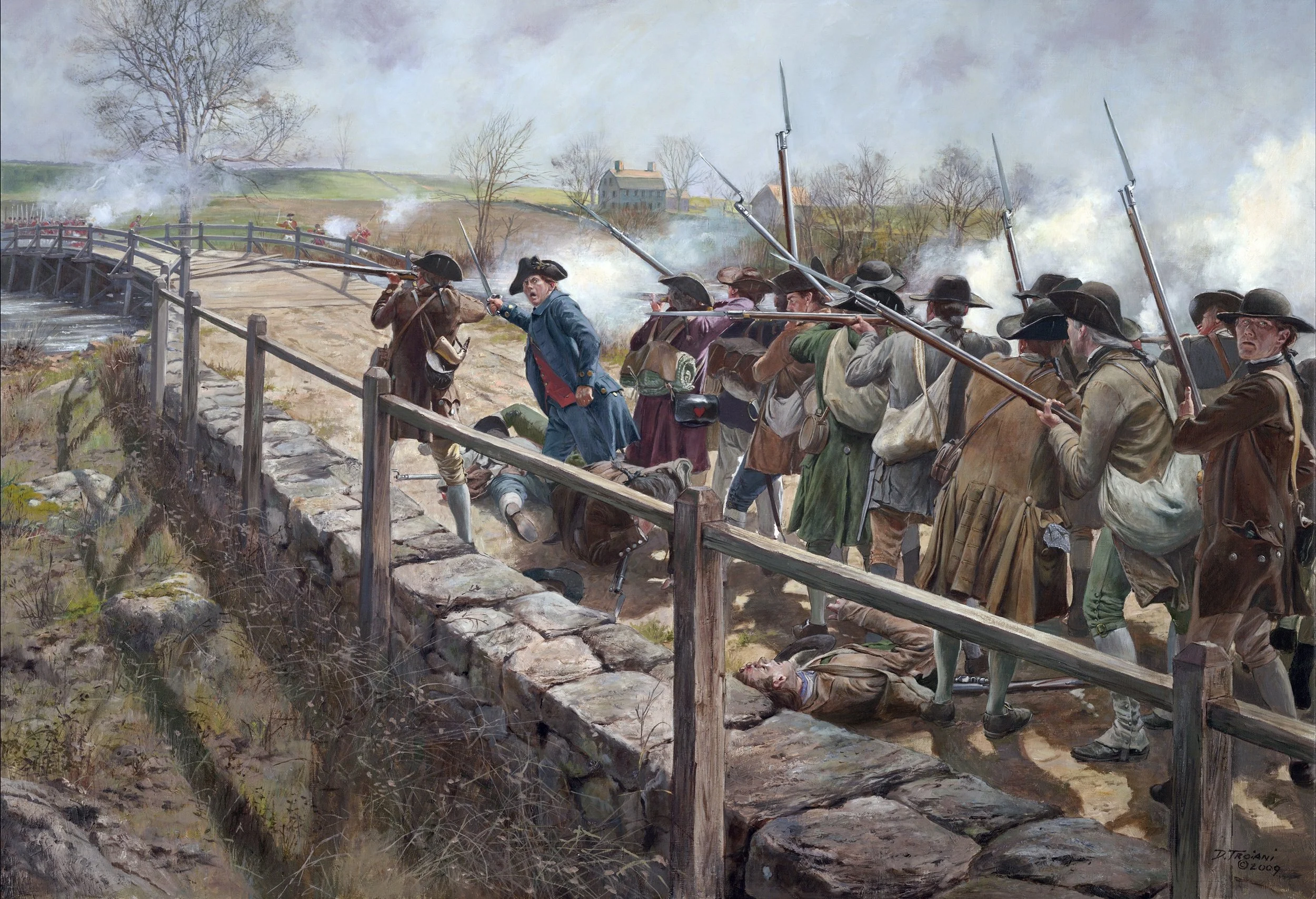
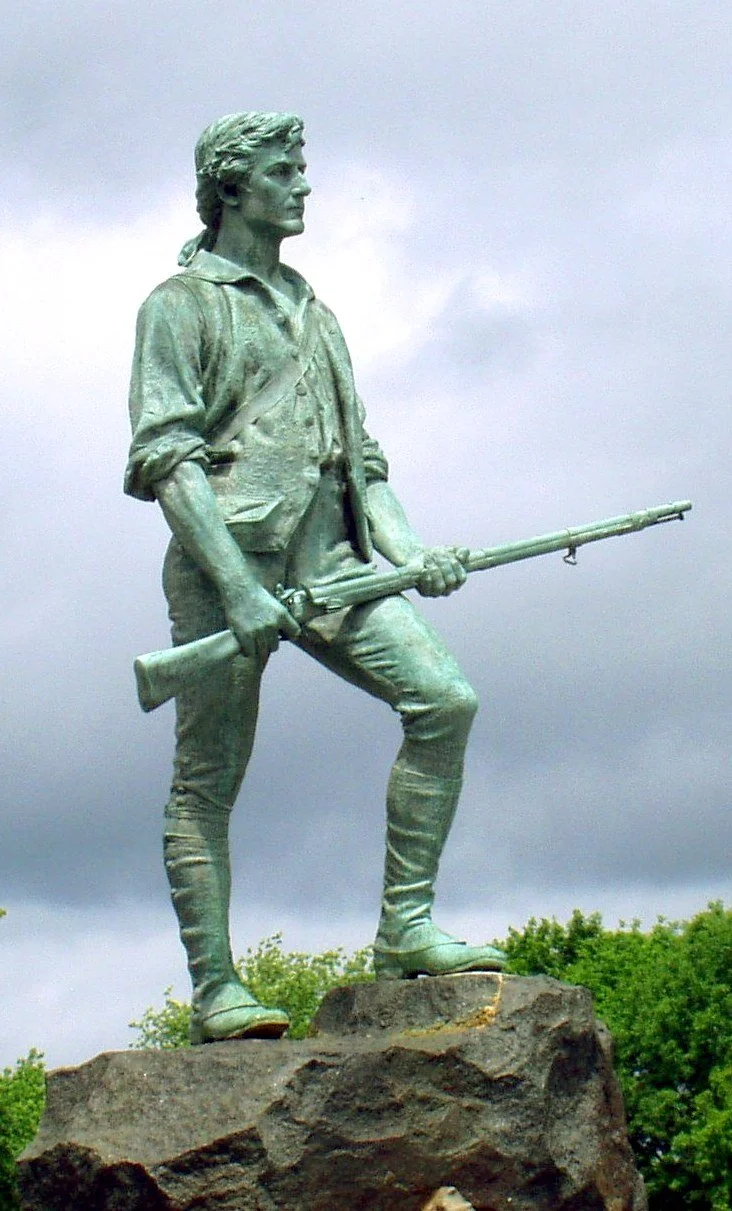
Word of Lexington spread quickly in the early morning, and by the time Gage arrived in Concord at 8 AM, a force of some 400 Americans from Concord and the surrounding areas, had assembled on the high ground above the river. Minute Men, so named because they were prepared to fight on a minute’s notice, advanced and the British fell back. After a volley from the colonists killing several redcoats, the British decided to retreat to Boston.
But the retreat was a disaster as the rebellion quickly expanded and now thousands of colonial militiamen were attacking the British from their flanks and their rear. These colonists were clever and brave, fighting from behind trees, bushes, rocks, inflicting heavy casualties. When it was done 73 redcoats were dead, to 49 colonists. In total the British suffered over 300 casualties against the 90 taken by the militia. And the American Revolution was on. Needless to say, it was not televised.
Looking back, it is easy to think victory was pre-ordained, that the colonists would certainly triumph. But in reading history its obvious the opposite was true. They should not have won. A ragtag group of colonial militiamen against the greatest fighting force in the world, they had no chance. The odds were well against them. They were not even unified in their goal. Probably half the country wished to stay as part of Britain, and actively worked to undermine the cause of Freedom.
But somehow, at critical moments, these farmers and blacksmiths, preachers and doctors, laborers and silversmiths, managed the impossible. Was it divine providence or sheer blind luck? Depends on your perspective.
What is certain is these colonists were a new breed. They were tough, resolute, clever to the point of ingenious, and they had no quit in them. Later they showed the same grit on the long road to defeating slavery. Later still the same mettle showed in liberating Western Europe and much of Asia from the yoke of fascism, and Eastern Europe from the stranglehold of Communism. And along the way they became the only people to send men to the moon, spawned over a century of incredible invention, and became a beacon for people yearning for freedom around the world. They also used their genius for synthesis to create the greatest musical force to hit the world to date. When we talk about the American Spirit, that’s what we’re referring to.
And it all started with a small band of patriots, willing to put their lives on the line for what they believed in, in a small New England hamlet on April 19, 1775.