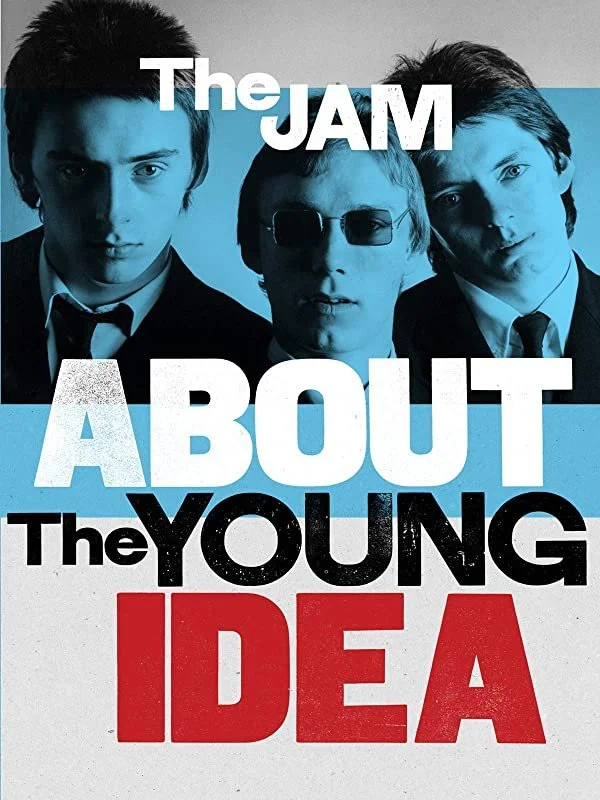
The Jam: About the Young Idea

I bought the Jam’s first record while living in Chicago. I bought the second one, “This Is a Modern World”, while living in uptown New Orleans on Broadway, from a great record store a two blocks down the street called the Mushroom.
I didn’t yet have any friends in town, so I’d while away the afternoon hours listening to records on my much missed stereo. A favorite then was that second Jam record, with its sharp, angular chords, driving beat, and Beatles tinged melodies, all blasting out of my big Advent speakers.
They remained a favorite of mine (sometimes THE favorite) for many years, on to “All Mod Cons”, the transcendent “Setting Sons,”, in fact, right through to their last, “The Gift”, and its glorious single, “A Town called Malice”. Even past the unexpected and unwelcome end of the band that followed “The Gift”. But it wasn’t until last night that I finally got around to watching their documentary, “The Jam - About the Young Idea”.
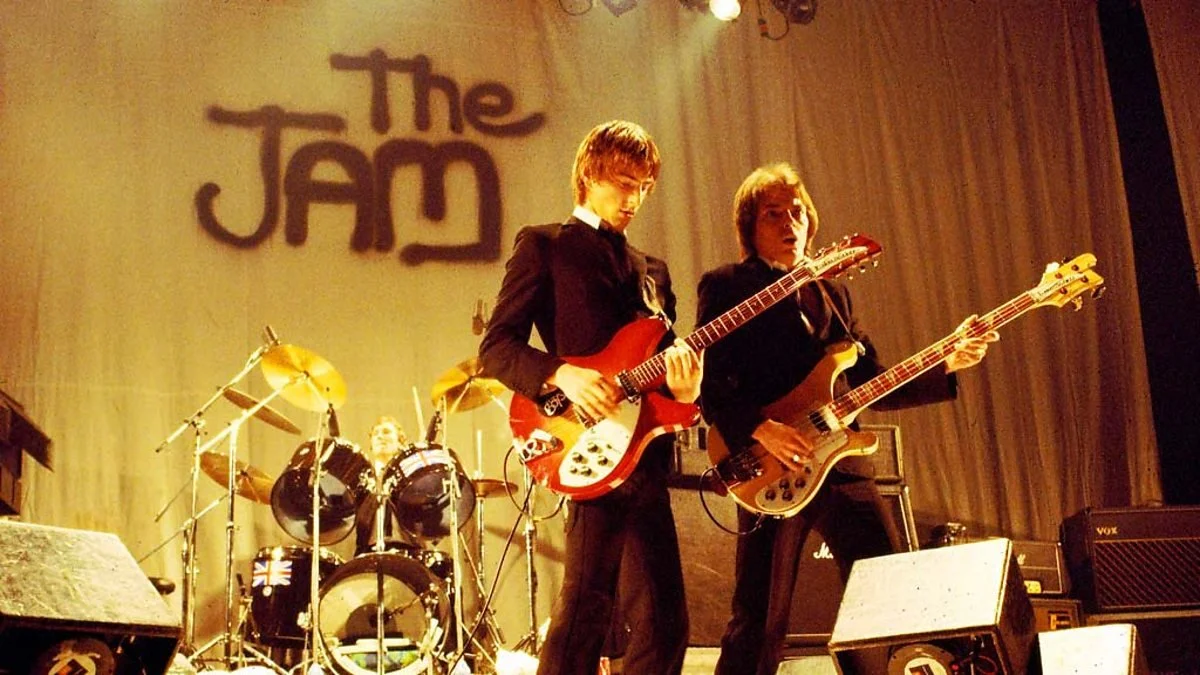
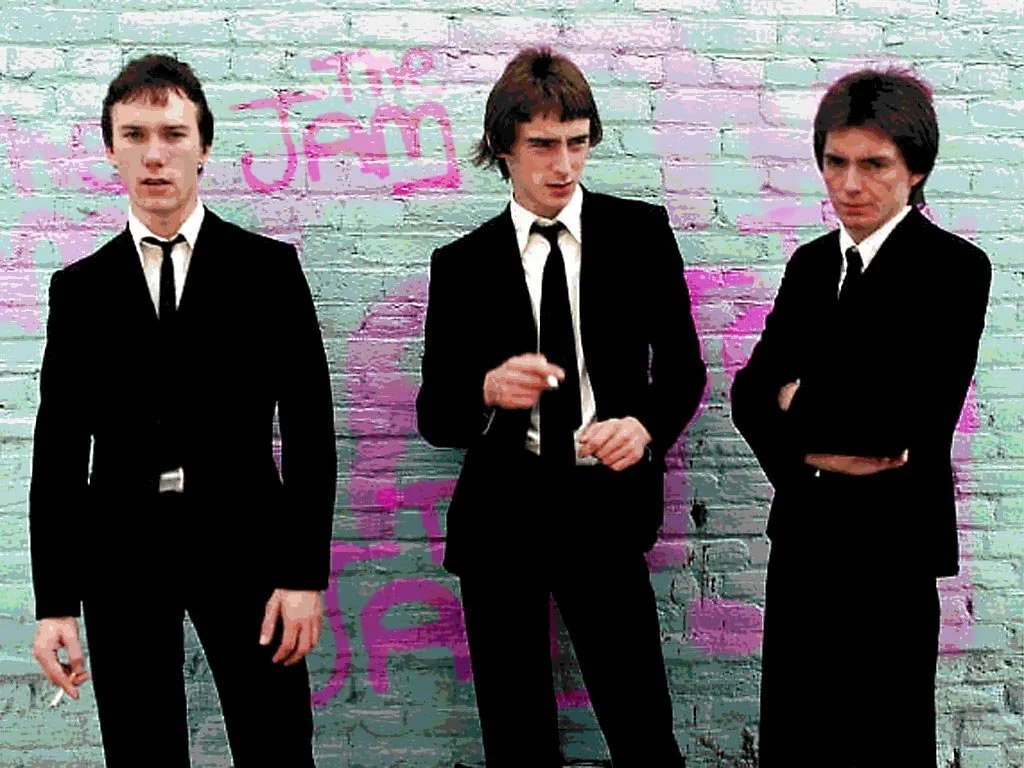
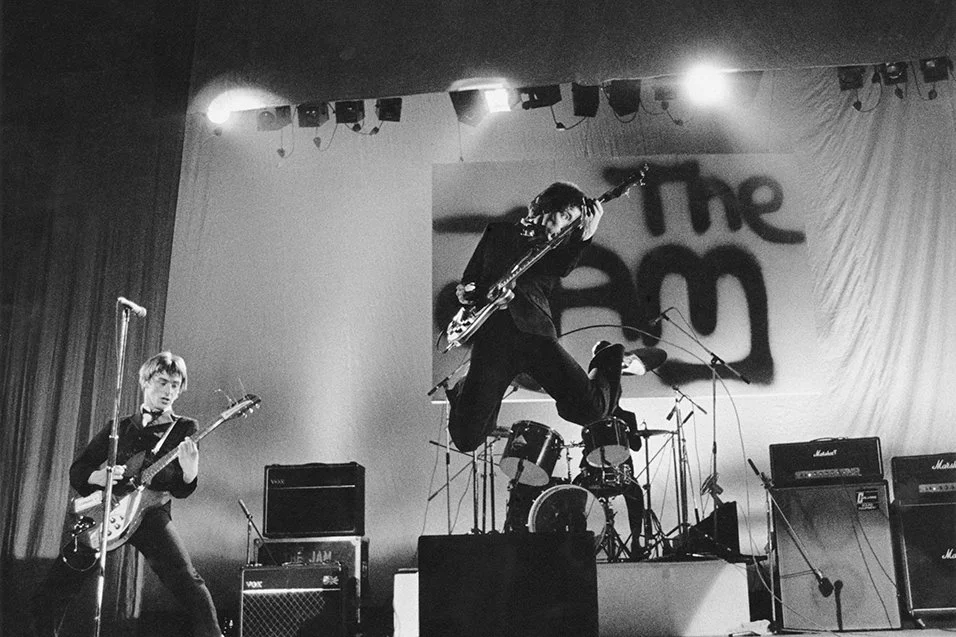
The doc is excellent, going through the band’s history album by album, in chronological order, giving relatively equal time to each record. The Jam found a place outside that occupied by most other bands of the time. They had the energy and honesty of punk, but also had their feet firmly planted in the pop and soul of the 60s. Their music was sometimes overtly political, but just as often subtly so. All the while they made a mighty noise for a three piece, fueling that rich mother lode of songs birthed by leader Paul Weller.
“The young Idea” alluded to in the title is taken from the lyric of the Jam’s first single, “In the City”. Weller was 18 years old when the single was released. The band was all about that young idea, speaking to the fears and issues of young Brits in a way no-one else did. Weller’s lyrics, especially on the first couple of albums, are like an open diary into the heart of what it is to be young - bursting with confidence, raging with anxiety, desperately trying staking out a place of your own.
Their audience, young and disenfranchised, normal kids, were intentionally wooed by Weller. And these kids returned his attention with a passion that rivals that shown to virtually any other band. So a big part of what really makes the film succeed (besides Paul Weller) is the approach it takes.
The three band members supply plenty of dialogue and insight, as do critics who championed them. But just as equal time is given to the fans - the passionate young Brits who are really what made this phenomenon explode. Some of these fans ending up making careers through their passion for the Jam (even working with them), others have lived normal lives. But all have retained their devotion and connection to the trio.
As Weller once wrote, what you give is what you get.