And you thought Covid caused some risky behavior
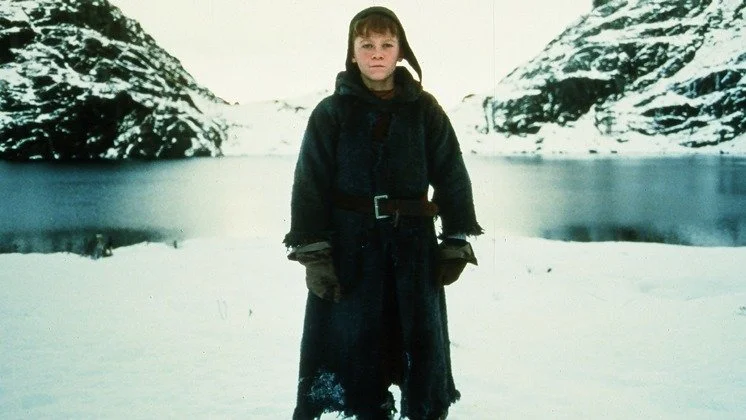
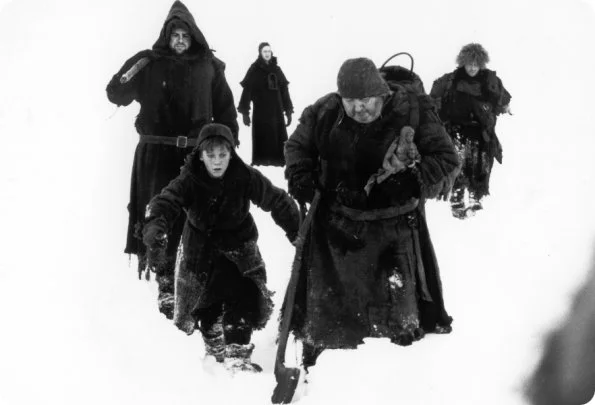
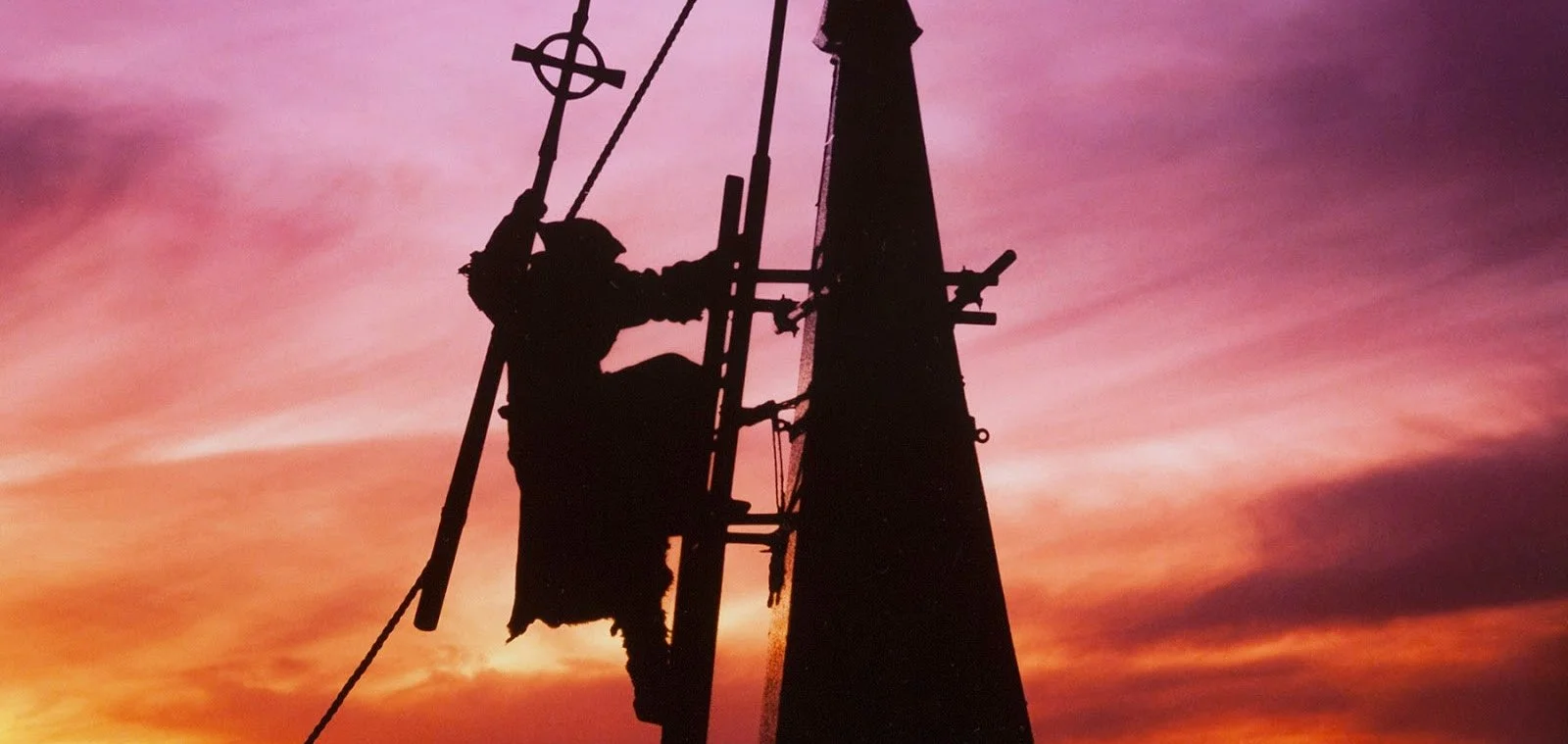
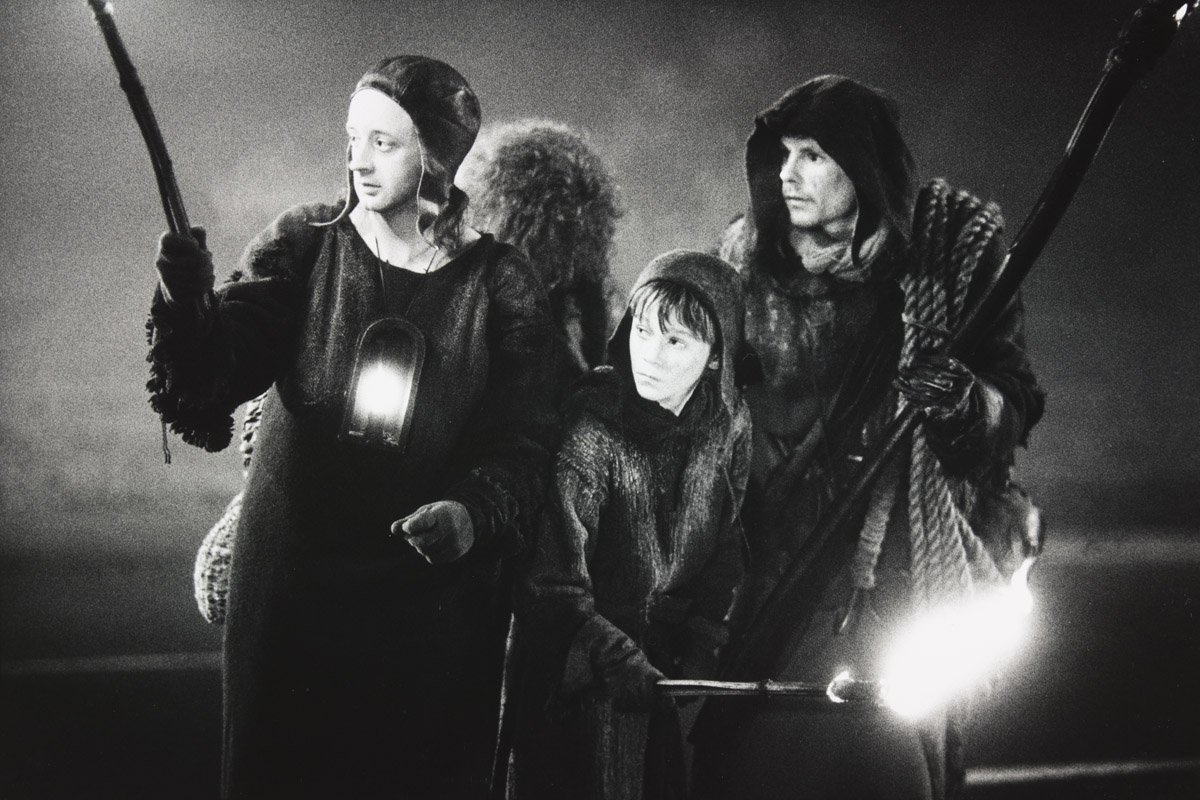
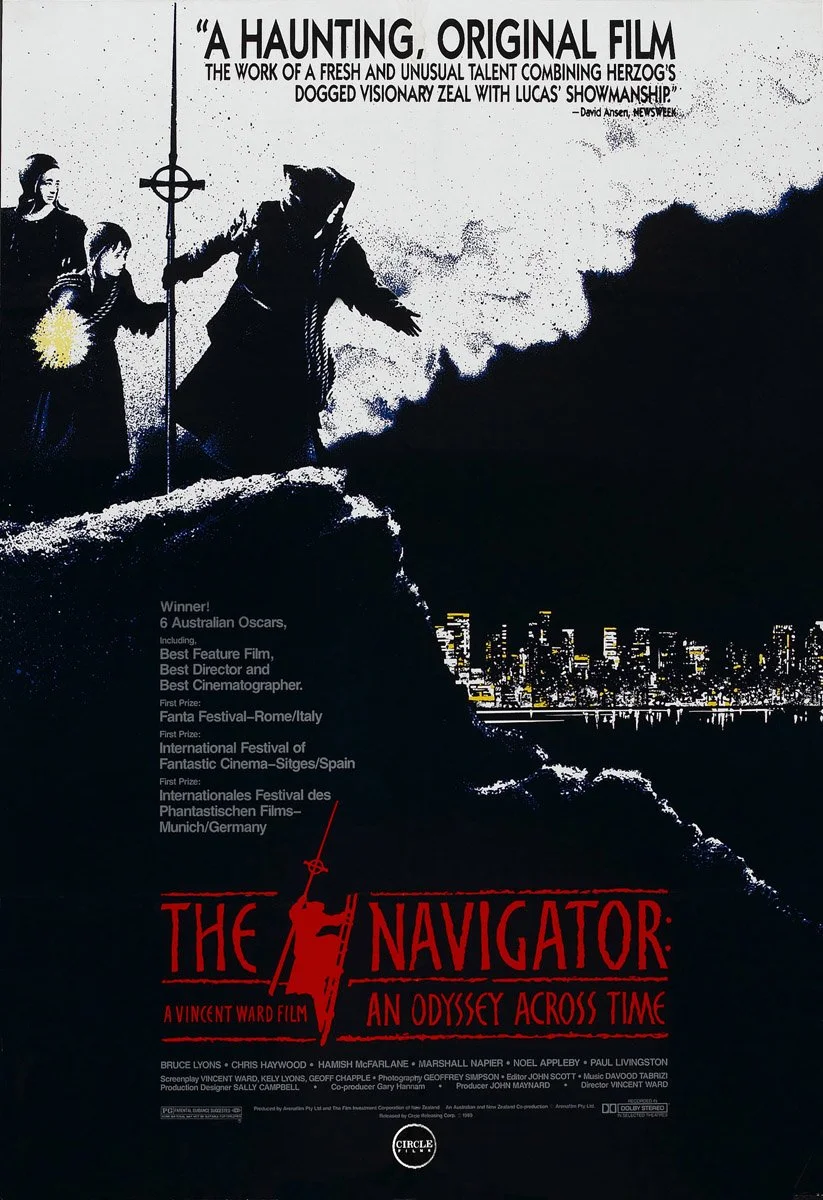
Some movies entertain you, while a precious few movies thrust you into a different world and another mind. "The Navigator: A Medieval Odyssey" is one of the latter. It's a potent piece of cinematic surrealism.
It was directed by New Zealand writer/director Vincent Ward. I think it was his second feature film. I stumbled across it at the Blockbuster store another lifetime ago during one of my binge movie-watching periods. I had no idea what I was getting into when I hit play.
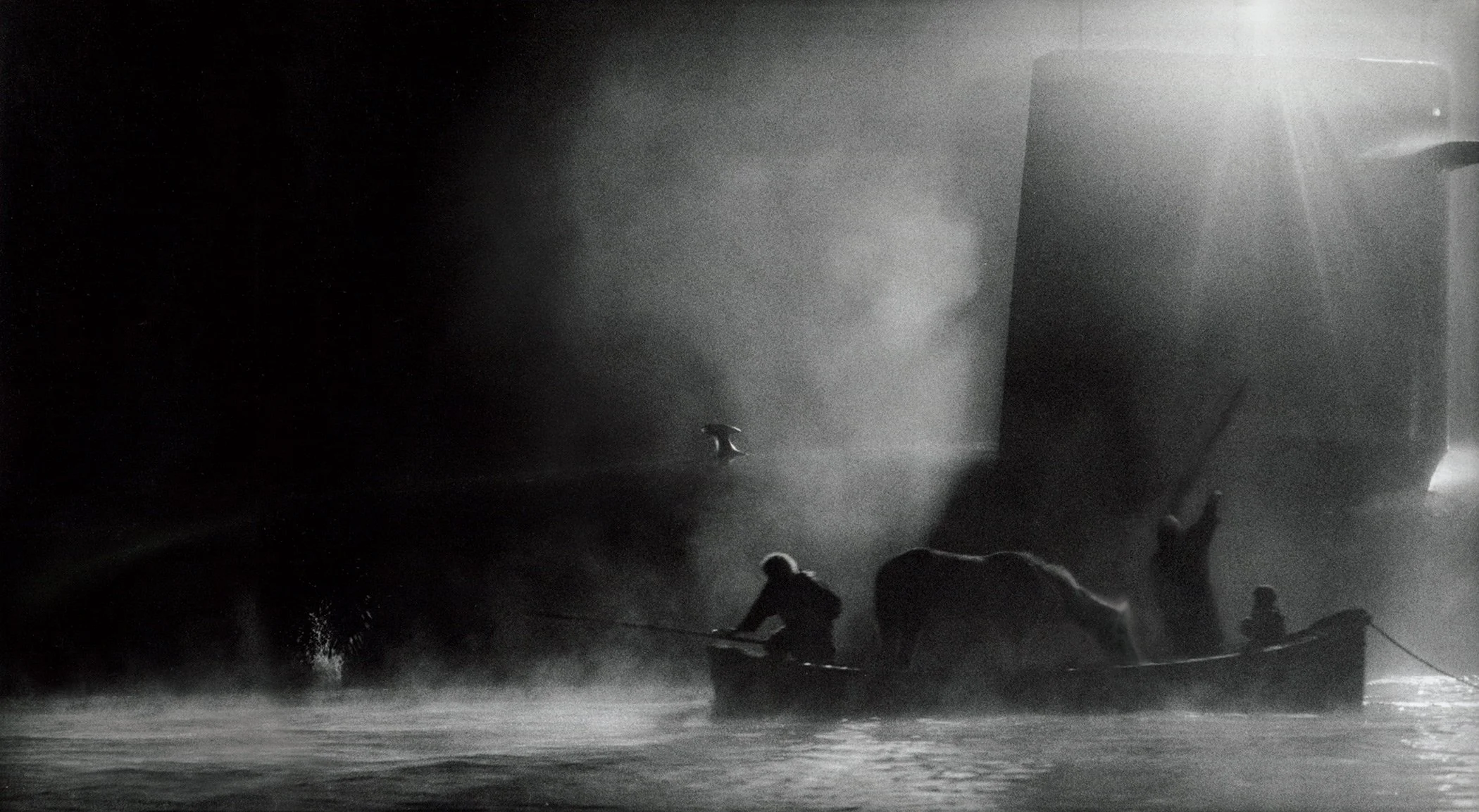
The movie opens in black and white. During the 14th-century in England, in a remote Cumbrian village, the film takes place during the Black Death. The plague ravages the countryside, the city, and everywhere, and people are powerless in its path. Desperate for a way out, the villagers turn to a young boy named Griffin. He is known for having visions, and he has one which tells him that they must plant the holy cross atop "the biggest Church in all of Christendom" as an offering to God to be spared.
A group of the villagers, led by the brave Connor, dig down deep into the ground beneath their local mountain. They dig so deep that they come out the other side into 20th-century New Zealand when the movie switches to color. Now they must navigate this bizarre and baffling world, full of new horrors, to place the cross atop the cathedral.
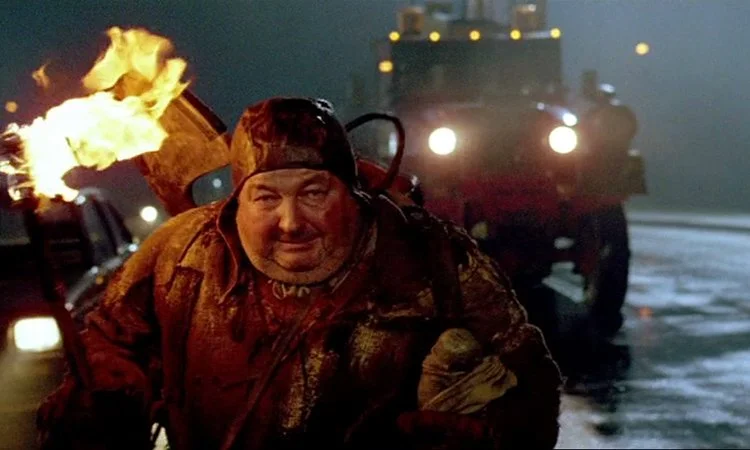
My favorite scene was inspired by an experience of Ward's that led to his idea for the film. He was once trapped in the middle of a German autobahn and could cross to either side, stranded. In the movie, one character finds himself in a similar predicament. But unlike Ward, this character is a 13th-century villager who sees demons coming at him.
Ward does a brilliant job awakening the villagers' primitive fear in the film's viewers. The difference is that now we’ve had a little external practice.