Tom Petty is Never Coming Back
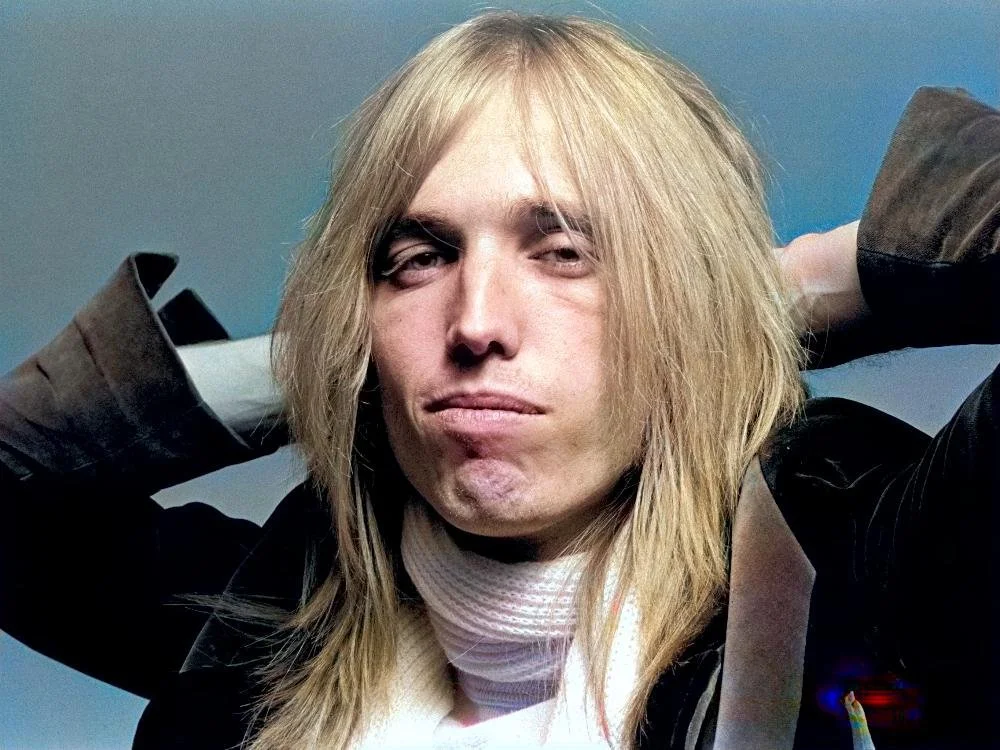

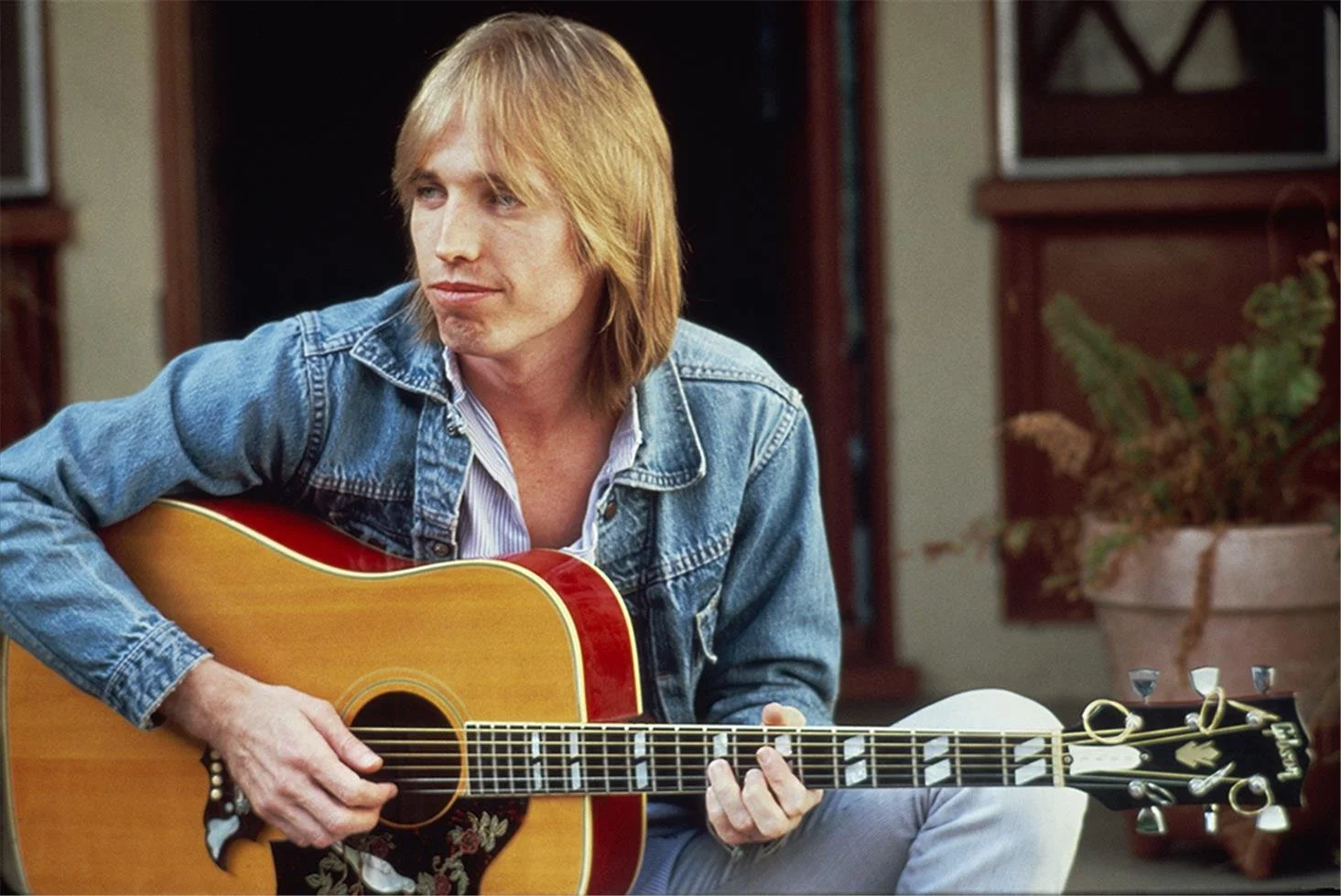
In November of 1976, I was working in small record store called Gramaphone on Clark Street in Chicago. In those days if a record by a new artist came in, and it had a great cover, then it was usually worth a listen. As I pulled through the boxes of new releases on that grey morning, I came across a record that immediately caught my eye. Sullen, cocky, rebellious, and probably stoned, it was the face that graced the cover that stood out most. I immediately opened it, put it on the store turntable, and from the moment the needle hit the groove, my 40-year love affair with the music of Tom Petty began.
I have had several intersects with Tom Petty that are likely small to an outsider, but to me were deep, and meaningful. Chicago Bulls basketball great Norm van Lier was a huge hero of mine. He came into the record store regularly, with his eclectic tastes – from stone cold funk to the Rolling Stones. He usually asked the owner, Steve Nakon, for recommendations, but this day he wasn't in, so Norm asked me: what to buy? I offered up the Petty record, which I claimed was the best record I'd heard in years. He bought it.
Stormin' Norman loved the record, and that recommendation bought credit for me in his eyes. It led to free Bulls tickets, and visits to his Lakefront pad. Tom Petty rewards his fans.
In 1978 I moved to Baton Rouge. One night, after I had criticized the music writing in the local daily newspaper, a friend of my girlfriend’s challenged me - if you're so good, why don't you write an article? I went through the piles of rock magazines I had lying around the apartment, and I pieced together an article on the artist I considered to be the best new one around. The paper accepted my Tom Petty article, and published it, which led to a short, but enormously fun, period as a rock "journalist".
I’d seen Petty live in Chicago before I moved, but I saw him again twice in succession, after moving to Louisiana. Both shows were at the always hot and humid Warehouse, in New Orleans. In 1978 he opened for the Kinks, and at the second, in 1979, he was the headliner. From the start he was an astonishing presence on the stage, prowling, snarling, full of energy and rock and roll attitude. He was a rock star fully formed.
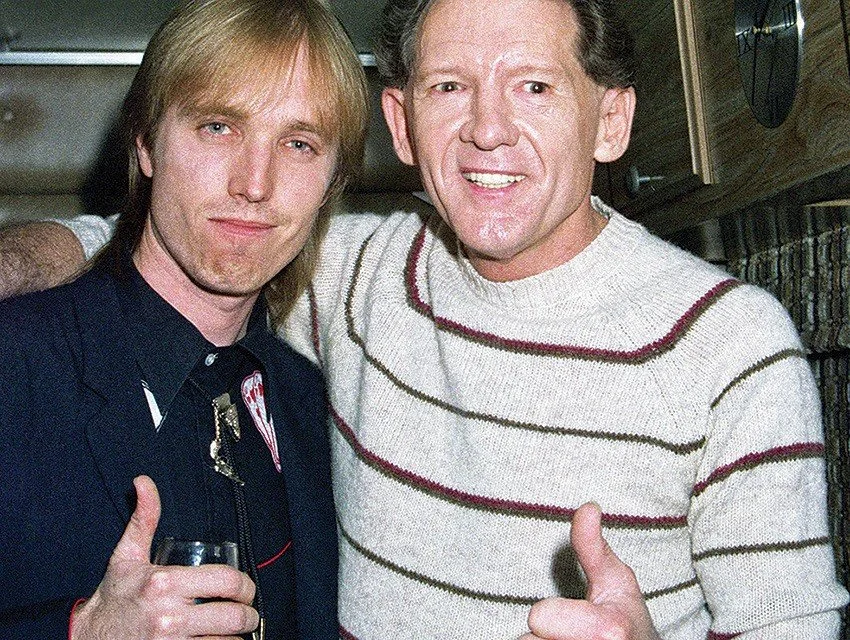
I saw Petty many times over the following years. Once we made contact as fans, seated at tables across from each other, sharing knowing nods at the blazing genius of a Jerry Lee Lewis show at Los Angeles' Palomino Club, in 1984.
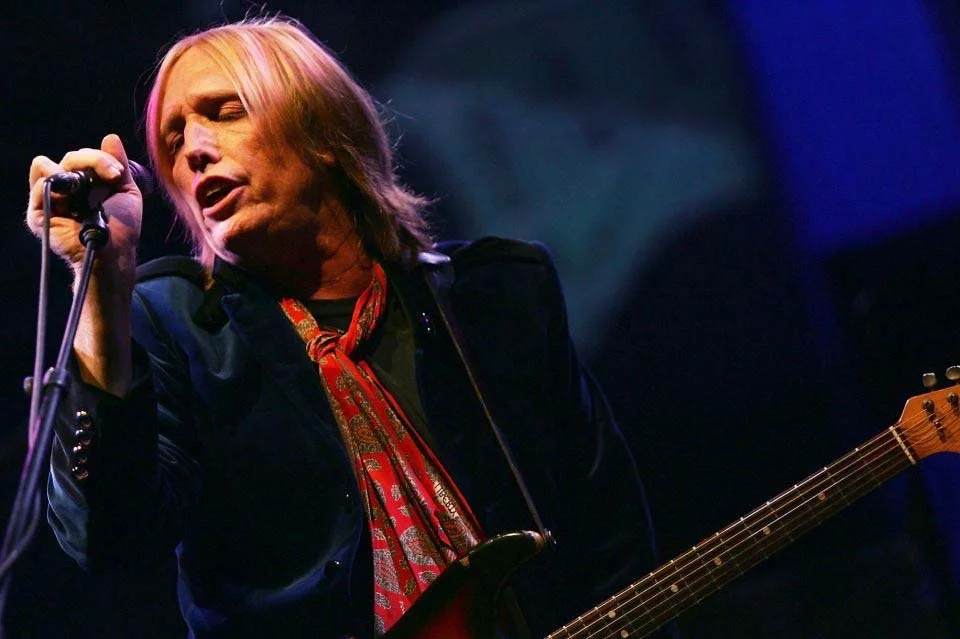
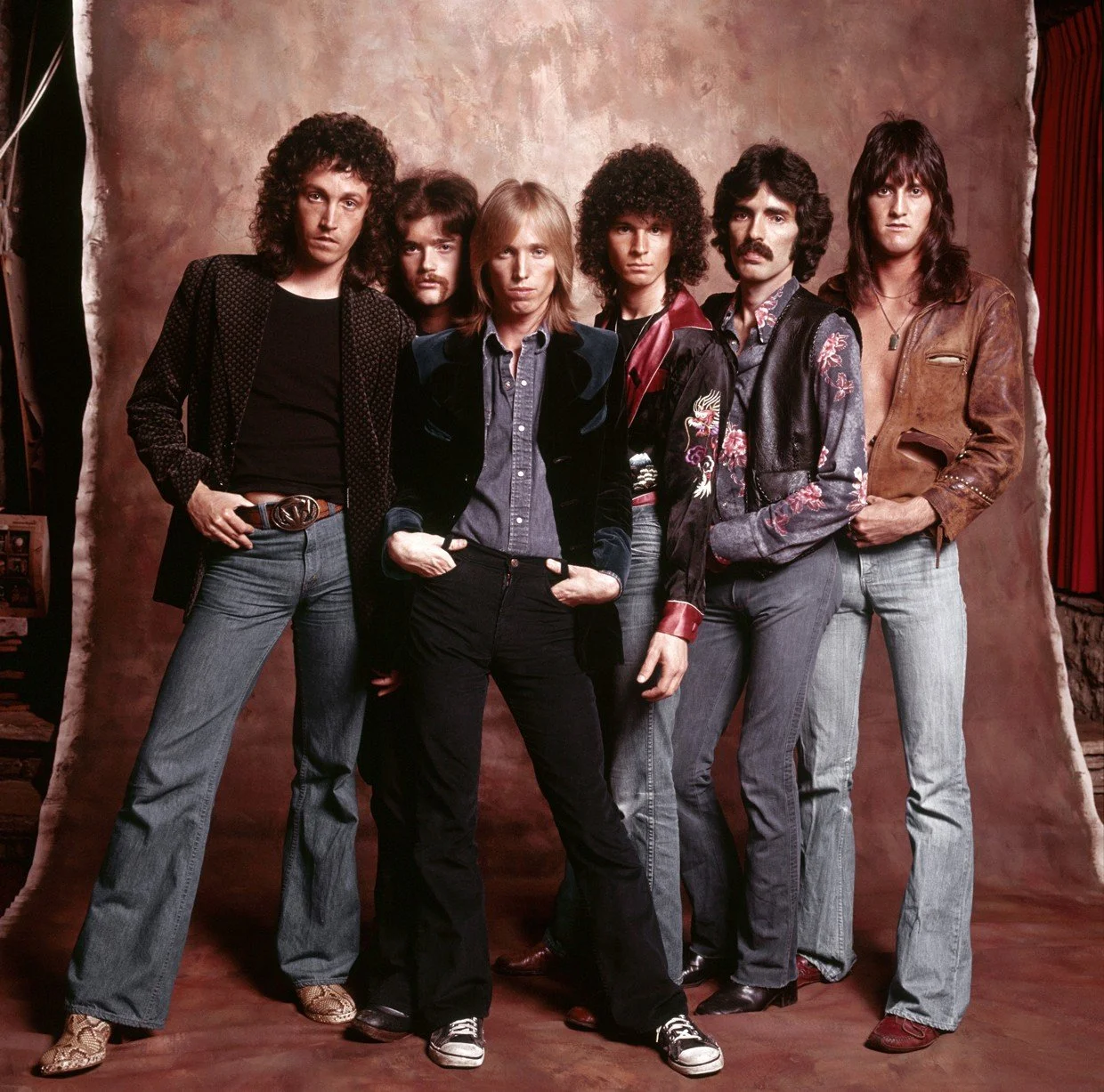
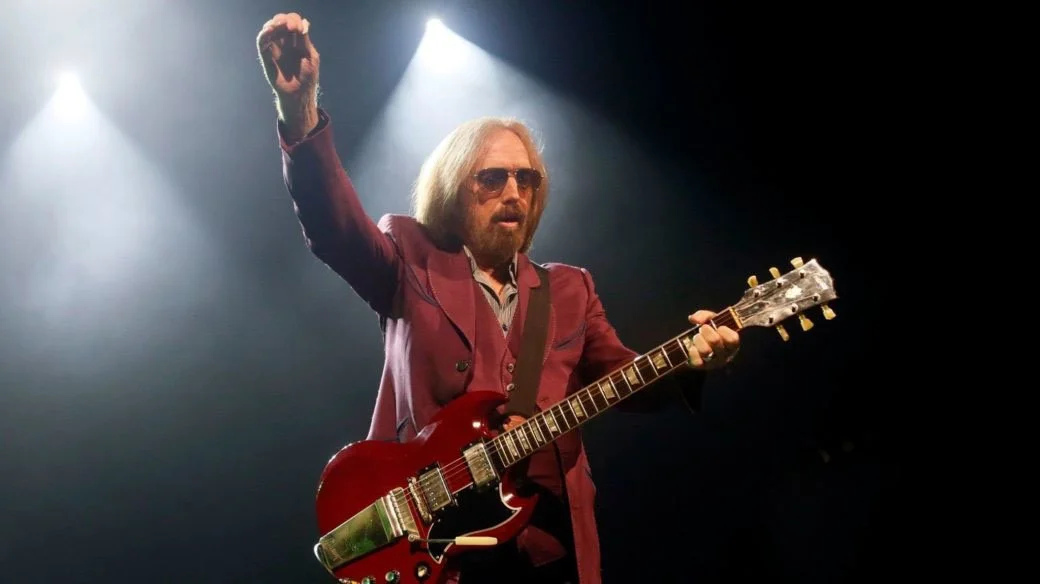
But most memorably, my wife and I saw him a week before his passing, at the Hollywood Bowl, his last show. She had wanted for years to see him. This time we got tickets, at the last moment, on a whim, because she was afraid she might not get another chance. That’s silly I thought, but I was more then happy to see the Heartbreakers again.
Petty walked out onto the stage, arms spread wide, taking the crowd into a big loving embrace. The audience responded by rising as one to their feet, cheering wildly, as Petty soaked it all in. Remarkably, everyone stayed on his or her feet for nearly entire performance. It amounted to a greatest hits show, a cavalcade of classic songs which stood as testament to the genius of his art.
I was struck by the fact that after each song, Petty thanked the audience warmly and genuinely. "You're so kind", he would say in that unaltered Southern accent. It was a love fest between artist and audience. My last sight of him that night was signing autographs for people at the foot of the stage. When he finished he turned and limped offstage, a sign that the rock and roll lifestyle had done some damage, I thought.
In the days after the show I went back to his songs, those beautiful gems, breaking them down for a clue to his magic. As a songwriter, I was curious what tracks of method he might have left embedded in his work. There are songwriters who write songs that are complicated, or exotic, or "new for the sake of new", intent on getting the most accolades. And then there are other songwriters who write straight, pure and true. Petty was the king of the latter. Every note, and every word, didn’t sound overthought – they sounded “right”.
The songs are astonishingly simple in construction. Any songwriting guide will tell you that a good song must have a good bridge. But many of Petty’s best songs, and most of his hits, have no bridge. His chords are basic folk chords for the most part, and the chord structures are not uncommon, nor complicated or serpentine – they are quite straightforward. And yet these songs hold magic - a deep magic that becomes evident every time you hear them played, as they wind their way deeper into your being.
Some of that magic lies in his economical lyrics, and Petty’s ability to find every listener’s “sweet spot”, as he addresses those feelings you find hard to put into words yourself. Even a casual fan can quickly recite a series of his great lines, from a scattershot of Petty songs. At that last show, at the Hollywood Bowl, an entire audience proved this true as they sang most of the songs along with that singular voiced songwriter.
There is another intersects I now share with Tom Petty, one I wish I didn’t: he died on my birthday. But as sad as that is, I find a great beauty in the fact that he'd just finished a cross-country tour, celebrating "40 years of a good time", as he said, to thousands of adoring fans, in his hometown of the last four decades. And I'm very happy that I can say that after a dozen Tom Petty and the Heartbreaker shows over the years, the last one was at the very least as good as any that came before.
"So I've started out for God knows where, I guess I'll know when I get there."